
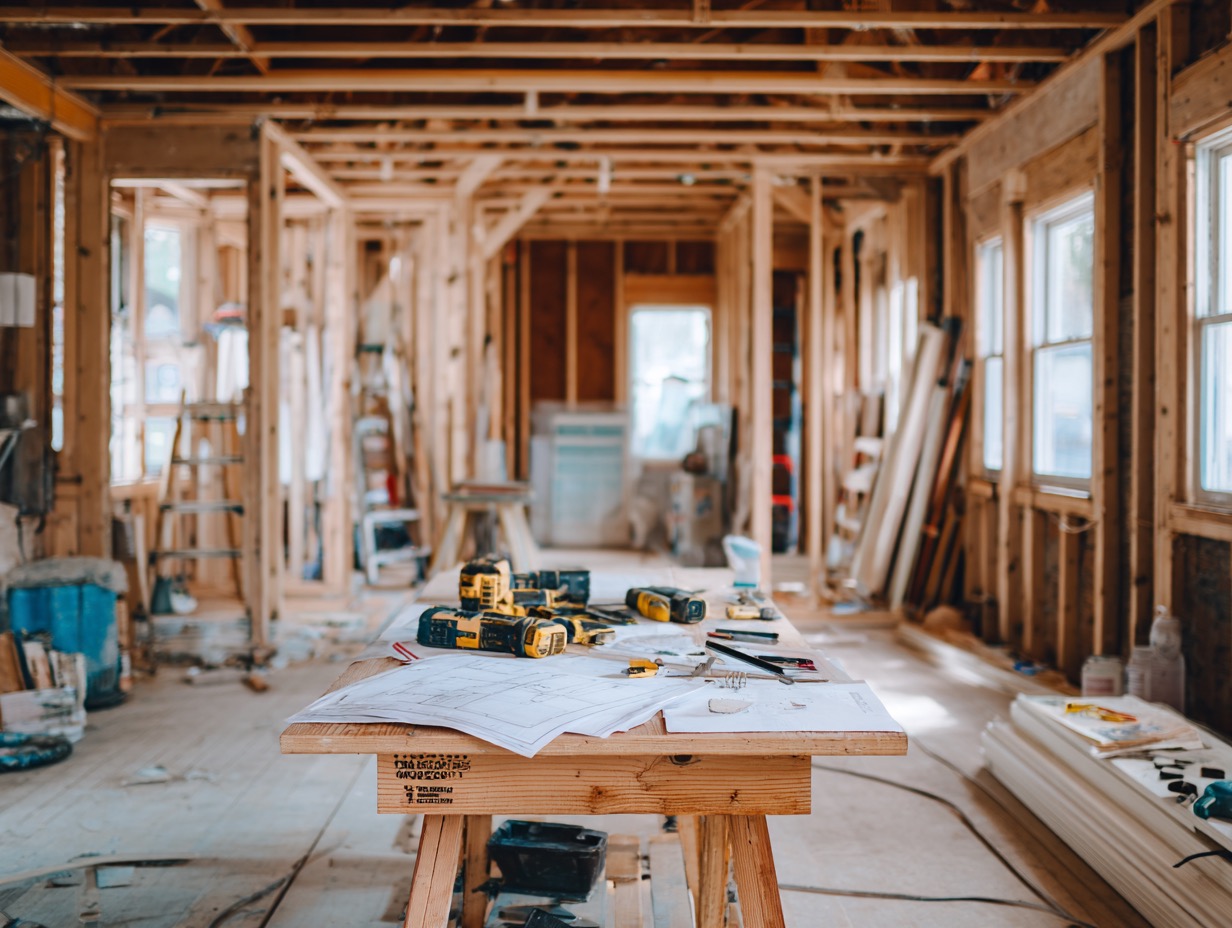
A renovation or construction loan allows you to finance both the purchase (or refinance) of a property and the cost of improvements—all in a single mortgage. Instead of taking out a home loan and then scrambling for a second loan or paying cash for repairs, you roll everything into one convenient package.
These loans are designed for buyers and homeowners who see potential in a property that needs work—whether it's a fixer-upper, a gut rehab, or a ground-up construction project.
Why Choose a Renovation Loan?
Renovation loans solve a common problem: how to buy and improve a home when you don't have a pile of cash sitting around. They make it possible to purchase properties that might otherwise be difficult to finance and transform them into your ideal home or a high-value investment.
One-Time Close Convenience
The biggest advantage of renovation financing is simplicity. You close one loan, with one set of closing costs, and one interest rate. You don't need to coordinate a purchase loan now and a construction loan later. Everything is bundled from the start.
Finance Based on Future Value
Unlike traditional mortgages that only consider the current condition of the property, renovation loans allow you to borrow based on the after-repair value (ARV)—what the home will be worth once improvements are complete. This means you can finance properties that wouldn't qualify for conventional financing in their current state.
Access to Cash Without a Second Loan
Rather than draining your savings or opening a high-interest credit line, renovation loans provide a structured way to fund your project at mortgage rates—significantly lower than credit cards or personal loans.
Build Equity from Day One
Every improvement you make adds value to your property. By financing renovations into your mortgage, you're building equity while creating the home you actually want—not just settling for what's on the market.
Who Is a Good Fit for Renovation Loans?
Renovation financing is ideal for borrowers who are willing to take on a project in exchange for better value, customization, or investment returns.
Buyers of Fixer-Uppers
If you've found a home in a great location that needs work—new kitchen, updated bathrooms, roof replacement—a renovation loan lets you buy it and fix it without needing cash reserves.
Homeowners Ready to Remodel
Already own your home but want to do a major renovation? You can refinance using a renovation loan and pull out funds to cover the cost of your project based on the future value of the home.
Investors and Flippers
Real estate investors use renovation loans to acquire distressed properties, improve them, and either sell for profit or hold as rentals. ARV-based lending makes these deals possible without large cash outlays.
Custom Home Builders
If you own land or want to build from the ground up, construction-to-permanent loans allow you to finance the entire build process and convert it seamlessly into a traditional mortgage once construction is complete.
Types of Renovation and Construction Loans
There are several renovation loan programs available, each designed for different situations and borrower profiles.
FHA 203(k) Loans
The FHA 203(k) program is one of the most popular renovation loan options, especially for buyers with lower credit scores or smaller down payments.
How it works: You finance the purchase price plus renovation costs into a single FHA-insured loan. Funds for the renovation are held in escrow and released as work is completed.
Two types:
- Standard 203(k): For major structural work like additions, foundation repairs, or full gut rehabs. Requires a HUD consultant to oversee the project.
- Limited 203(k): For non-structural improvements up to $35,000—things like new appliances, flooring, or cosmetic updates. Simpler and faster.
Best for: First-time buyers, those with credit scores as low as 580, and anyone who can put down just 3.5%.
Fannie Mae HomeStyle Loans
The Fannie Mae HomeStyle Renovation loan is the conventional counterpart to the FHA 203(k). It offers more flexibility and is ideal for borrowers with stronger credit and finances.
How it works: Similar to the 203(k), you finance both the purchase and renovation costs in one loan. No upfront mortgage insurance, and you can use it for primary homes, second homes, and investment properties.
Key advantages:
- Finance up to 75% of the after-repair value on investment properties
- No limit on the amount of renovation work (as long as the property remains residential)
- Lower mortgage insurance costs compared to FHA
- Can include luxury upgrades like pools, landscaping, and high-end finishes
Best for: Buyers with good credit (680+), investors, and anyone purchasing a second home or vacation property.
Construction-to-Permanent Loans
If you're building a home from scratch, a construction-to-permanent loan is the way to go. This product combines a short-term construction loan with a permanent mortgage, eliminating the need to close twice.
How it works: During construction, you make interest-only payments on the amount drawn. Once the home is complete, the loan converts to a standard mortgage—no second closing, no second round of fees.
Key features:
- One closing, one set of fees
- Lock in your interest rate before construction begins
- Works for ground-up builds and major reconstructions
- Funds are released in stages (draws) as construction progresses
Best for: Borrowers building custom homes or undertaking extensive teardown-and-rebuild projects.
After-Repair Value (ARV) Lending
ARV lending is a flexible option often used by real estate investors. Rather than lending based on the current value of the property, the loan is based on what the property will be worth after renovations are complete.
How it works: Lenders order an appraisal that estimates the home's value post-renovation. You can borrow a percentage of that future value, giving you the capital needed to acquire and improve the property.
Key benefits:
- Finance deals that wouldn't qualify using traditional methods
- Leverage future equity today
- Ideal for distressed properties or heavy rehabs
Best for: Investors, flippers, and borrowers purchasing properties in poor condition.
Draw Schedules and Inspections
Renovation loans don't hand you a lump sum of cash upfront. Instead, funds are released in stages as work is completed. This protects both you and the lender by ensuring money is only paid out for completed work.
How Draw Schedules Work
Your contractor submits a draw request after completing a specific phase of work—framing, plumbing rough-in, drywall, etc. An inspector (or HUD consultant, for FHA loans) verifies the work is complete and up to code. Once approved, the lender releases funds to pay the contractor.
Most loans allow 4 to 6 draws throughout the project.
What Gets Inspected
Inspectors check that work matches the approved scope, meets local building codes, and is progressing on schedule. This process protects you from paying for incomplete or substandard work.
Managing the Timeline
Renovation loans typically require projects to be completed within 6 to 12 months, depending on the loan type. Plan your project timeline carefully and work with contractors who understand renovation loan requirements.
Contractor Requirements
Not every handyman can work on a renovation loan project. Lenders have specific requirements to ensure the work is done properly and the project stays on track.
Licensed and Insured
Contractors must be properly licensed (if required by your state) and carry liability insurance. You'll need to provide proof before the loan closes.
No Self-Employment or Family
Most programs do not allow you to act as your own general contractor or hire family members. The work must be completed by third-party professionals.
Detailed Bids and Contracts
You'll need to submit contractor bids, scope of work documents, and signed contracts as part of your loan application. Lenders want to see exactly what work will be done and how much it will cost.
Communication and Compliance
Your contractor needs to be comfortable working with draw schedules, inspections, and lender timelines. Choose professionals with experience in renovation loan projects—it makes the process much smoother.
Requirements at a Glance
While requirements vary by loan type, here are the general guidelines for renovation and construction loans:
| Requirement | FHA 203(k) | Fannie Mae HomeStyle | Construction-to-Permanent |
|---|---|---|---|
| Credit Score | 580–620 minimum | 680+ recommended | 680–700+ |
| Down Payment | 3.5% minimum | 5% minimum (primary), 15% (investment) | 10–20% typical |
| Property Types | Primary residence, some 2-4 units | Primary, second homes, investment | Primary, second homes |
| Loan Limits | FHA limits apply | Conforming or jumbo | Varies by lender |
| Renovation Cap | Based on ARV | Based on ARV, no cap on work amount | Based on construction budget |
The CNA Equity Advantage
At CNA Equity Group, we've been helping clients navigate renovation and construction financing for over two decades. We understand that every project is different—and we know how to structure loans that turn visions into reality.
Whether you're tackling your first fixer-upper, building your dream home from the ground up, or scaling your real estate investment business, we provide:
- Project-focused guidance to help you plan financing around your renovation goals
- Access to multiple loan programs including FHA 203(k), HomeStyle, and construction-to-permanent options
- Experience with ARV lending for investors and distressed properties
- Clear timelines and expectations so you know what to expect at every stage
- Contractor coordination support to ensure your project stays on track
We've seen it all—from cosmetic rehabs to full teardowns—and we're here to help you get the financing you need to make it happen.
Ready to Start Your Project?
Renovation and construction loans open doors to properties and possibilities that traditional financing can't touch. Let us help you determine which loan type fits your project and get you pre-qualified.
Call us at (925) 244-1505 to discuss your renovation or construction plans and explore your financing options.